

ADAPT, INTEGRATE, OR BE ABSORBED IN 2026: THE FUTURE FACING INSURANCE AGENTS
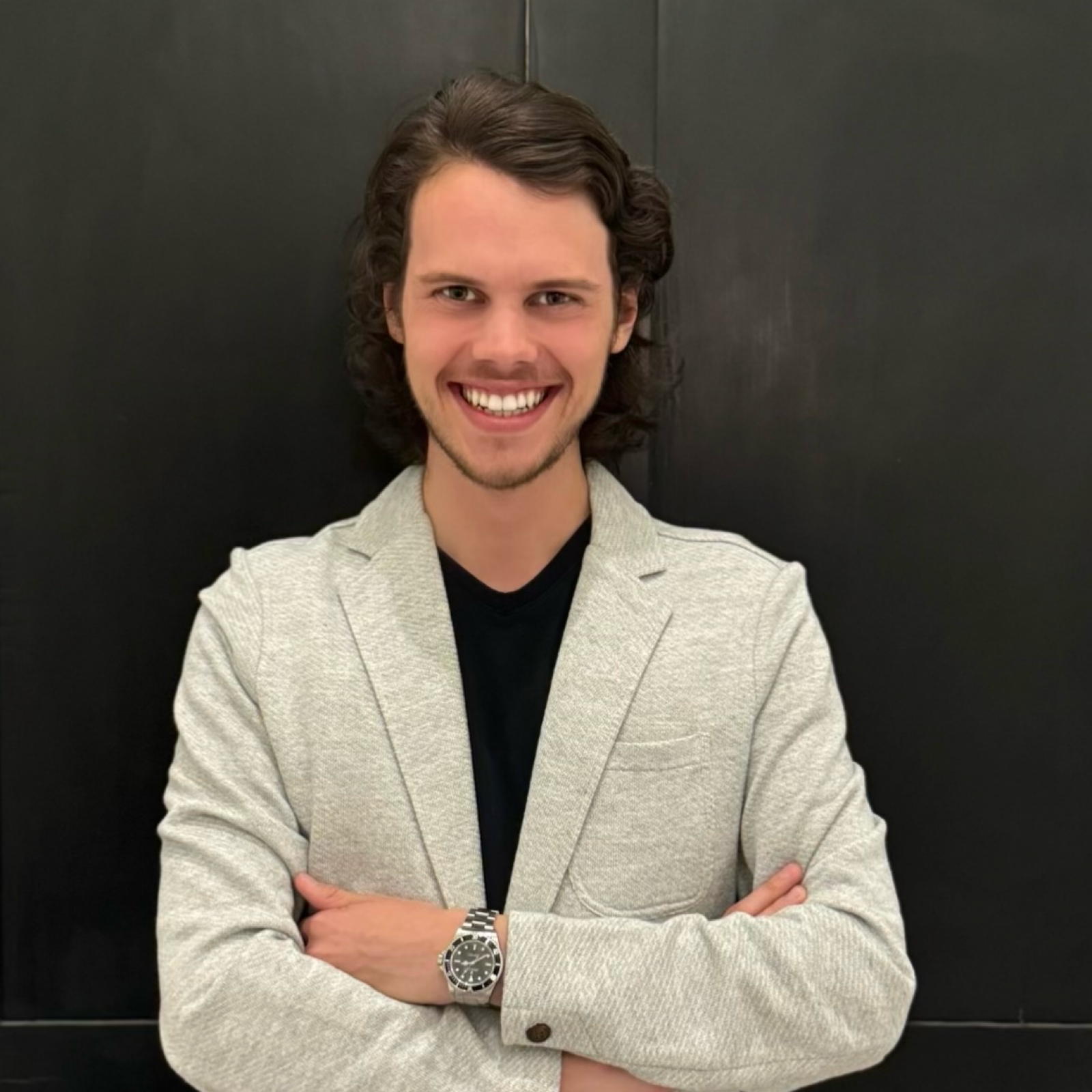
Will Muse, President and Co-Founder of PCG Technologies

~Industry expert Will Muse says platform consolidation is shrinking the middle ground — and outlines what proactive adaptation looks like in practice~
NASHVILLE, TN, UNITED STATES, January 12, 2026 /EINPresswire.com/ -- As the insurance marketplace moves into 2026, independent agents across multiple lines are navigating a fast-changing environment shaped by digital platform consolidation, shifting consumer expectations, and rising competition from direct-to-consumer models.Will Muse, President and Co-Founder of PCG Technologies, says agents face a clear choice: adapt, integrate, or be absorbed.
“Platform consolidation is changing how customers find, compare, and choose coverage,” Muse said. “If an agent doesn’t build a system that consistently feeds targeted opportunities across digital channels, they’ll be relying on luck — and luck isn’t a strategy.”
According to company data, PCG Technologies reports its clients have collectively generated more than $105 million in revenue using the platform’s automation and AI-driven targeting systems.
Platform consolidation and the shrinking middle ground Muse points to a growing winner-take-most dynamic in which a smaller number of platforms increasingly influence discovery, lead flow, and customer attention.
He says agents are responding by building a central operating system for their business — connecting lead generation, follow-up, and retention so they can maintain consistent visibility across channels.
“Agents can’t afford a scattered approach anymore,” Muse said. “You need one reliable hub that keeps the pipeline moving and helps you show up consistently wherever your customers are — not just where you’re comfortable.”
Why stagnation is the biggest risk Muse says the biggest threat to many agencies is not a single competitor, but the cost of inaction.
He notes that delays in adopting modern systems can show up as slower response times, fewer new conversations, and reduced visibility with today’s buyers.
“The market is dynamic. Customers are changing how they shop, how they communicate, and what they expect,” Muse said. “Agents who don’t embrace modern systems risk being left behind — not because they’re bad at what they do, but because they’re harder to find and easier to replace.”
What proactive adaptation looks like in practice Muse says proactive adaptation is less about chasing every new tool and more about building a repeatable strategy that uses evolving technology to streamline operations and strengthen client service.
He recommends a 2026 approach built around:
• Integration over fragmentation: Reduce silos by connecting tools and workflows.
• Consistency over intensity: A steady system beats occasional bursts of effort.
• Speed to response: Faster, relevant follow-up can improve conversion.
• Ongoing testing: Adopt what works, drop what doesn’t, and keep iterating.
“Proactive adaptation is having an open mind and a concrete strategy you can execute every week,” Muse said. “If you do that, consolidation doesn’t have to be a threat — it can be an advantage.”
About Will Muse
Will Muse is President and Co-Founder of PCG Technologies. He previously built a track record in the music and entertainment business in Nashville, where he focused on audience engagement and data-driven growth. He co-founded PCG Technologies with Tennessee-based entrepreneur and executive Bernard Porter.
Shaili Priya
Allen Media Strategies
+1 703-589-8960
email us here
Visit us on social media:
LinkedIn
Instagram
Facebook
X
Legal Disclaimer:
EIN Presswire provides this news content "as is" without warranty of any kind. We do not accept any responsibility or liability for the accuracy, content, images, videos, licenses, completeness, legality, or reliability of the information contained in this article. If you have any complaints or copyright issues related to this article, kindly contact the author above.
